
Table of Contents
Key Takeaways
- Mock interview tools replicate real finance interview environments, helping candidates sharpen both technical knowledge and behavioral responses.
- AI-powered mock interviews provide personalized, data-driven feedback that accelerates skill development and exposes performance gaps.
- Consistent practice builds confidence, composure, and adaptability, critical traits for succeeding in competitive finance interviews.
- Combining mock interview tools with research, networking, and coaching creates a well-rounded preparation strategy that improves long-term career outcomes.
Landing a role in finance is a challenging process that tests far more than your academic record or professional background. What sets top candidates apart is their performance in interviews. Mock interview tools play a crucial role, enabling candidates to practice interview questions, polish their delivery, and receive constructive feedback. Modern job seekers interested in leveraging technology to maximize their interview potential can add platforms like Cook’d to their repertoire for a comprehensive preparation experience.
From simulating real finance interview conditions to providing AI-assisted feedback, these platforms have redefined how candidates prepare. Consistent practice with these resources helps candidates build both confidence and agility in responding to technical, behavioral, and situational questions. Combining these strategies can distinguish your application from hundreds of others, helping you make a memorable impression during interviews.
It is increasingly clear that the intersection of technology and professional development is transforming how future finance professionals prepare for interviews. By making thoughtful use of these tools, candidates can systematically identify and address skill gaps, refine their interpersonal skills, and adapt to the evolving expectations of hiring teams. This multi-faceted preparation pays dividends not only during interviews, but throughout an entire finance career.
Moreover, integrating mock interview tools with proactive research and peer networking can reinforce your readiness for any scenario. Many top performers attribute their success to a blend of digital practice, industry insights, and personalized coaching, showcasing the real impact of modern interview prep solutions.
Understanding Mock Interview Tools
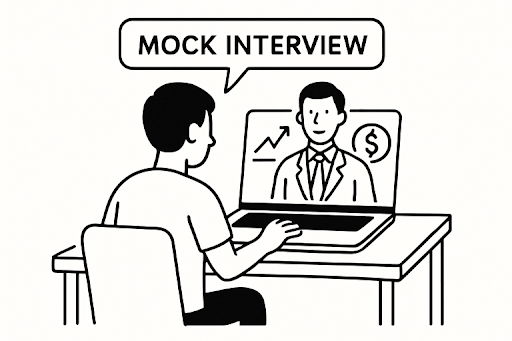
Mock interview tools are designed to mimic the pressures and conditions of actual finance interviews. Ranging from downloadable question banks to interactive, real-time interview simulators, these tools provide a safe space for candidates to rehearse their answers, analyze their delivery, and gauge their readiness. The best resources go beyond technical questions to cover behavioral, situational, and market-based queries specific to finance roles.
Advanced platforms deploy artificial intelligence to recognize your speech patterns, assess content relevance, and predict likely follow-up questions. For candidates aiming for the most prestigious firms, these tools help simulate firm-specific expectations, making them a powerful supplement to traditional interview coaching.
Benefits of Using Mock Interview Tools
- Realistic Practice: Emulating the actual interview structures and pressures, mock tools help you become thoroughly familiar with the kinds of questions and scenarios typically encountered in finance interviews.
- Immediate Feedback: AI-powered platforms can instantly flag areas where responses lack clarity or depth. This real-time feedback helps candidates pinpoint potential weaknesses, refine their messaging, and avoid repeating mistakes.
- Confidence and Adaptability: Consistent rehearsal greatly reduces anxiety. The more interviews you simulate, the more natural your responses become, strengthening decision-making and communication skills under scrutiny.
Integrating Mock Interviews into Your Preparation
To maximize the value of mock interview tools, a systematic approach is vital. Start by establishing specific goals: do you need to brush up on financial modeling, or are you struggling with competency-based inquiries? Once your focus is clear, pick platforms that closely align with your needs and provide the type of feedback necessary for improvement.
- Set Clear Goals: Identify key skills and establish performance objectives before your practice sessions begin.
- Select the Right Tool: Match your needs with the strengths of specific platforms, especially those catering to finance interviews.
- Practice Regularly: Consistency is essential. Short, repeated sessions result in measurable improvement through repetition and reflection.
- Request Feedback and Analyze: Whether working with a platform or peer, use feedback analysis as a roadmap for targeted growth and iterative learning.
Real-Life Success Stories
Many candidates who have successfully broken into competitive finance roles have credited mock interview tools with giving them an edge. The integration of AI-powered mock interview platforms is rapidly transforming job seeker results across the industry. These candidates emphasize the value of practicing under conditions that closely resemble the real interview, as well as the game-changing nature of AI-driven feedback.
Common Pitfalls to Avoid
- Over-Reliance on AI: While AI can assess technical knowledge and communication, it may not fully capture the subtleties of soft skills and rapport-building. Complement digital prep with peer or mentor feedback for a well-rounded approach.
- Neglecting Soft Skills: Communication, adaptability, and problem-solving are often prioritized by finance recruiters. Ensure your practice sessions cover both technical expertise and interpersonal interactions.
- Ignoring Feedback: Growth happens with intentional reflection. Take every suggestion seriously and track your improvement across sessions.
Conclusion
As the finance sector grows more competitive, standing out requires going beyond a polished resume. Mock interview tools, when blended thoughtfully into your preparation strategy, can provide targeted practice, confidence, and actionable insights. By leveraging these platforms and complementary resources, finance candidates not only master the technical challenges but also develop the poise and adaptability needed for long-term success in the industry.