
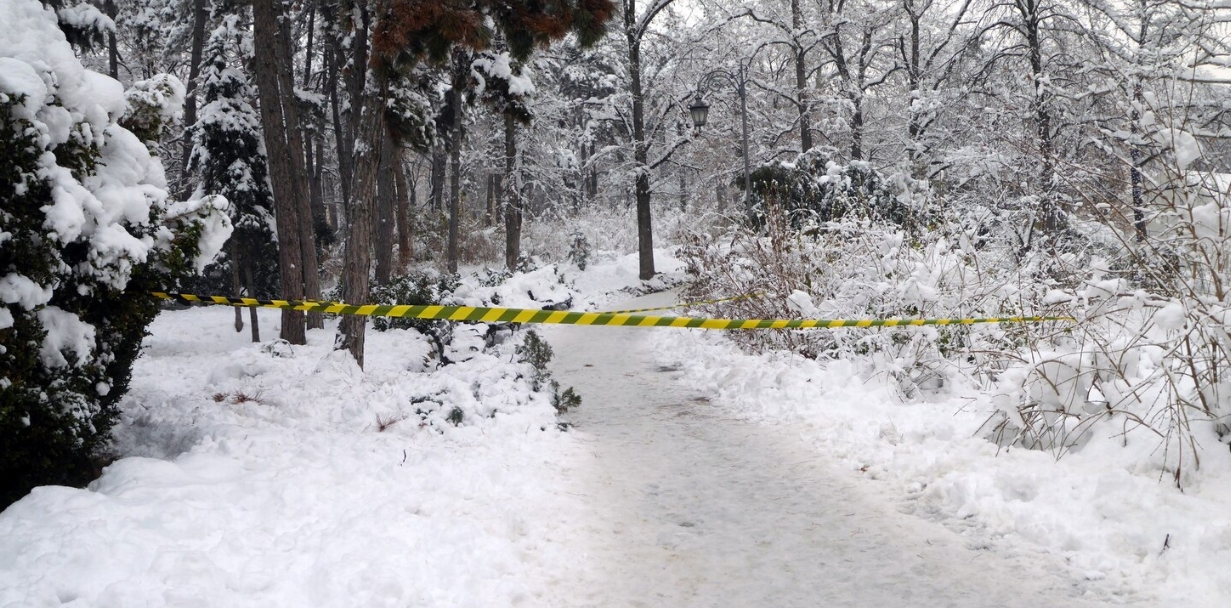
Winter brings beauty, but it also brings challenges. When authorities issue a Yellow Warning – Snowfall, they are telling you that snowfall is likely during a specified time window and that some disruption is possible. In everyday terms, this might mean that highways and secondary roads become covered with snow or slush, making driving slower and more challenging than usual. Local bus and train services may run late, and even short walks on untreated pavements can feel tricky because of patches of ice.
A common misconception is that a yellow alert means the snow will be heavy or dangerous. That’s not the case. Instead, it usually means snow accumulation will be enough to affect road surfaces and commuting conditions. For example, a light shower might be enough to create a thin layer on roads that could turn icy once traffic compresses the snow. In regions prone to winter weather, these alerts help residents plan when to leave, what routes to take, and how to prepare their vehicles and homes.
Table of Contents
Understanding Yellow Snowfall Warnings
A Yellow Warning – Snowfall is issued when snow is likely in your area, but severe disruption is not expected. It signals caution rather than alarm. Authorities use this level of alert to ensure that people are aware of potential hazards like slippery roads, icy pavements, or minor delays in public transport.
These warnings are particularly important because even light snow can create dangerous surfaces. Roads may become slick, footpaths may develop icy patches, and minor travel delays are common. Treating the yellow warning seriously ensures your safety without overreacting.
Planning Your Day During Snowfall
When a Yellow Warning – Snowfall is issued, start by reviewing the snow forecast for your area. Knowing when snow is expected allows you to adjust travel times, avoid congested routes, and decide whether certain trips can be postponed.
At home, prepare for winter safety by checking heating systems, clearing driveways, and ensuring that essentials like groceries and medications are stocked. Small steps like these reduce the need for unnecessary travel and make life easier when snow falls.
How Snowfall Can Affect Your Daily Life
Snowfall can subtly disrupt your daily routine, from commuting to outdoor activities. Even light snow requires some planning to stay safe. Here are some of the challenges listed:
1. Travel and Commuting Challenges
Even moderate snowfall can make commuting tricky. Cars may slide on icy roads, buses may run late, and trains may reduce speed for safety. Morning rush hours often become slower, and finding parking can be harder in urban areas.
Travel disruption isn’t just inconvenient—it affects safety. Drivers need to maintain extra caution, while pedestrians should be aware of slippery pavements. Planning your route in advance, leaving early, and checking traffic updates are practical ways to navigate these conditions safely.
2. Impact on Public Transport
Buses, trams, and trains may experience delays or reduced services during snowfall. Minor disruptions can cascade into longer travel times, particularly in cities or regions less accustomed to winter conditions. Staying informed about public transport schedules ensures you can adjust plans and avoid unnecessary waiting in the cold.
3. Effect on Schools and Workplaces
Snowfall can alter school start times, delay workplace arrivals, and even affect local deliveries. In some regions, authorities may announce partial closures or staggered start times to minimize travel risk. Awareness of these changes allows families and employees to plan their mornings without stress.
4. Challenges for Pedestrians
Walking outdoors becomes more challenging during snowfall. Pavements and footpaths may be slippery, and even small patches of ice can cause falls. Choosing appropriate footwear and taking careful steps are essential for minimizing the risk of accidents. Avoiding shortcuts through untreated areas further enhances safety.
Safety Tips During a Yellow Snowfall Warning
Preparation is key when a yellow snowfall warning is active. Small, simple steps can make your day much safer.
1. Preparation Before the Snow Arrives
The key to staying safe is preparation. Start by checking the latest weather forecast for your area to understand when snow is expected and how severe it may be. For drivers, inspect your vehicle, ensure tyres are in good condition, and keep winter essentials such as blankets, warm clothing, and a torch in your car.
At home, clear pathways, check that heating systems are working efficiently, and stock up on groceries, medicines, and other essentials. Being ready in advance reduces the need to go out during potentially dangerous conditions.
2. Staying Safe During Snowfall
If you must go outside, take your time. Drive slowly and maintain extra distance between vehicles to account for reduced traction. Pedestrians should wear shoes with good grip and use handrails or stable surfaces where possible.
Public transport delays may occur, so checking live updates is important. Avoid non-essential trips during peak snowfall hours, and if walking, stick to treated roads and paths. Even short trips can be hazardous if precautions aren’t taken.
3. After the Snow Stops
Snow and ice don’t disappear immediately. Even after the snowfall stops, ice patches can remain on roads, sidewalks, and driveways. Early morning and late evening are particularly risky times due to refreezing. Clearing walkways and driveways promptly improves winter safety for you and your neighbors.
Remaining alert to residual ice and maintaining safe walking and driving habits ensures that the impact of a Yellow Warning – Snowfall is minimized.
4. Special Considerations for Vulnerable Groups
Children, elderly people, and those with mobility challenges face higher risks during snow and icy conditions. Families and caregivers should pay extra attention to these groups, helping them move safely indoors and outdoors. Ensuring elderly neighbors have assistance with groceries or clearing pathways can prevent accidents and improve community safety.
Conclusion
A Yellow Warning – Snowfall is a reminder to stay vigilant and take practical precautions. By checking the snow forecast, planning travel, preparing your home, and being mindful of pedestrians and vulnerable groups, you can reduce risks and move safely during snowy conditions.
Following these measures transforms the yellow alert from a warning into a helpful guide, enabling you to enjoy winter while avoiding unnecessary hazards. Staying informed and proactive is the key to making snow days safer and less stressful.
Frequently Asked Questions (FAQs)
Q1. What does a Yellow Warning – Snowfall mean?
It means snow is likely in your area and may cause slippery roads, icy pavements, and minor travel delays. It’s a cautionary alert, not a severe warning.
Q2. How severe is the snow during a yellow warning?
Snowfall is usually light to moderate, but even small amounts can affect winter travel and create hazardous conditions.
Q3. Should I cancel my travel plans during a yellow snowfall alert?
You don’t need to cancel, but plan extra travel time and check traffic updates. Avoid unnecessary trips during peak snowfall hours.
Q4. How can I stay safe while walking outside during a yellow snowfall warning?
Wear shoes with good grip and walk slowly on treated paths. Avoid shortcuts through untreated areas to prevent slips and falls.
Q5. Who should take extra precautions during a Yellow Warning – Snowfall?
Children, elderly people, and those with mobility issues are at higher risk. Families and neighbors should assist and ensure pathways are safe.