
Table of Contents
Key Takeaways
- EV charging apps simplify the entire charging process. Drivers can locate stations, start sessions, monitor progress, and complete payments all within one platform.
- Real-time data reduces uncertainty. Live updates on charger availability, connector types, and station status help prevent wasted trips and delays.
- Personalized features improve efficiency. Saving vehicle details and preferences ensures compatibility and faster decision-making.
- Usage tracking supports smarter driving habits. Session history, cost breakdowns, and energy insights help drivers optimize expenses and plan routes effectively.
- Community insights enhance reliability. User reviews, photos, and shared feedback increase confidence when choosing new charging locations.
Understanding EV Charging Apps
Electric vehicle (EV) charging apps have become invaluable for EV drivers, making it easy to locate charging stations, monitor sessions, and handle payments all in one place. These apps are designed to bring convenience to your fingertips, transforming what might otherwise be a complex process into a seamless experience. With features such as real-time updates on charger availability, charging connector types, live status, and user reviews, these tools help drivers plan their routes and enjoy a hassle-free experience. This means that, instead of worrying about where your next charge will come from, you can rely on your app to guide you every step of the way, showing you a network of chargers across cities, suburbs, and highways.
If you are just starting your journey with electric vehicles, consider downloading an intuitive app for EV’s to manage your charging needs seamlessly from your smartphone or tablet. Besides simply pointing out locations, many apps also notify you of station maintenance, outages, and estimated busy times, helping you make informed decisions and avoid unnecessary detours during your travels. Whether you drive daily or occasionally, these platforms ensure you don’t have to stress about running low on charge unexpectedly.
Most apps also offer an interactive map, filters for charging speed, and notifications to ensure you never run out of power unexpectedly. Some even include community insights, allowing you to see feedback from other EV users about specific charging locations, which further enhances your confidence while driving electric. This social aspect connects drivers, helping everyone find the most reliable and best-reviewed stations quickly.
Choosing the Right EV Charging App
With a growing number of apps available, choosing the right one requires some attention. Each app has its own strengths and coverage, so comparing them will help you get the most from your EV experience. Focus on a few essential factors before downloading your first EV charging app:
- Network Coverage: Opt for an app featuring extensive coverage in your region, including the places you travel most often. The larger and more diverse the network, the higher your chances of always finding an available charging point.
- Live Data: Choose apps that deliver real-time information, such as charger availability and potential technical issues. Having up-to-the-minute information spares you from unexpected surprises and helps you avoid showing up at an out-of-order station.
- User Experience: Read through ratings and feedback, as these can offer honest assessments of reliability, navigation, and ease of use. A highly rated app typically means more intuitive interfaces and better support in case of problems.
Some of the most widely used charging apps also partner with several charging networks, extending your access to more stations and better service. This can save you from juggling multiple apps from different providers.
Setting Up Your EV Charging App
After selecting your preferred app, setting it up properly will save time on the road. The setup process is typically swift and user-friendly, aiming to get you charging as quickly as possible. Follow these practical steps:
- Create an Account: Start by registering with your email address and setting a secure password. Some apps may let you log in with your Google or Apple account for added convenience, helping you skip repetitive steps and automatically import some preferences.
- Add Payment Information: Link a credit card or digital wallet to facilitate cashless payments. This ensures every charging session is smooth and efficient, as you won’t need to manually pay at the station itself. Having payment set up in advance is particularly useful when traveling to unfamiliar cities or when using fast chargers that bill by the minute or kilowatt-hour.
- Customize Preferences: Set up your vehicle’s make and model, favorite charging networks, and notification alerts. This helps personalize recommendations to match your EV and driving style. By saving your vehicle details, the app can automatically filter for compatible chargers, so you won’t waste time at stations that don’t support your plug type or charging requirements.
Many apps will guide you through a quick onboarding, and some even suggest optimal settings for notifications, preferred stations, and navigation integrations with popular mapping apps.
Locating Charging Stations
Modern charging apps feature robust, easy-to-use mapping tools. Simply open the app to access a map showing all nearby charging points. It’s like having an always-updated atlas in your pocket, designed for electric vehicles. Use filters to narrow your search by connector type (e.g., CHAdeMO, CCS, or Tesla), charging speed, and real-time availability to avoid waiting in line at busy locations. This is especially helpful if your car supports fast charging, or if you need a quick top-up during a busy day.
Comprehensive apps even include user-generated photos and reviews for each station, giving you greater peace of mind when trying new locations. With detailed descriptions, you can quickly see whether a charger is in a garage, behind a building, or located inside a secure parking lot.
By using community-driven platforms, you can find 24/7 stations, free charging, or spots with nearby amenities like coffee shops or restrooms, making it easier to plan stops during longer trips.
Initiating a Charging Session
Once you have found a suitable location, starting a charging session is straightforward. The best apps are designed so you can get power flowing with just a couple of taps:
- Select a Station: Tap the station on the app’s map. Check the details, including address, charging speed, connector type, and any station-specific notes left by users. Some stations might also show images of the chargers and tips for accessing them if they’re in secured locations.
- Verify Availability: Confirm that the charger is currently available for use. Some apps provide live status updates to prevent unnecessary detours, while others may let you reserve a spot ahead of your arrival at busy stations.
- Start Charging: Follow prompts that may ask you to scan a QR code on the charging unit, enter a specific code, or simply tap a button within the app. Your vehicle will begin charging immediately once the process is verified. The app will display a countdown or live data from your session, so you can keep track without having to stay by your car.
If you’re new to EVs, don’t hesitate to use the help or FAQ section found in many apps for support during your first charging sessions. They often include troubleshooting tips and step-by-step guides for common issues.
Monitoring and Ending the Charging Session
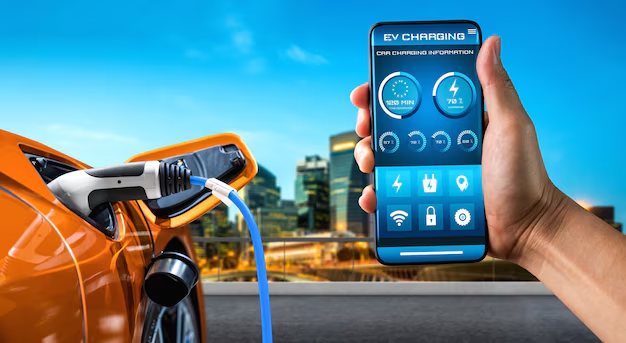
While your vehicle charges, keep an eye on the app for real-time progress updates. Most platforms show you the current battery percentage, charging rate, estimated time remaining, and total energy delivered. This information is crucial for planning your next stop or ensuring you do not occupy the charger longer than necessary, making room for fellow drivers.
Charging apps also send alerts when your session is nearing completion or if your car is fully charged. When you’re ready to disconnect, simply stop the charging session in your app and unplug your car, leaving the charging station in good condition for the next driver. Being considerate not only helps the next EV owner but also contributes to a positive charging community.
Managing Payments and Tracking Usage
Every charging session is tracked by your app for billing and record-keeping. You’ll receive a receipt for each transaction, along with an accessible history of all your past sessions. This is especially useful for tracking your charging costs and understanding your vehicle’s typical energy consumption over time. Frequent drivers can use this data to optimize routes, choose cheaper charging times, and even export records for tax or reimbursement purposes if driving for work.
Some apps break down your energy usage in straightforward charts and graphs, empowering you to make decisions about your driving habits, compare costs with gasoline, and see where savings can be maximized.
Staying Informed and Updated
Keep your app up to date by installing the latest releases. Updates often include new features, bug fixes, and access to more charging networks. Participate in user forums and rating systems built into many apps to share your experiences and benefit from insights from other EV drivers. By engaging with the community through reviews or reporting a problem, you not only help the next user but also support the reliability of the EV infrastructure as a whole.
Gaining proficiency with your EV charging app makes EV ownership far more enjoyable, providing greater security, convenience, and awareness wherever your journeys lead. With the right app, reliable charging is always at your fingertips, and long drives can be planned with confidence. Mastering how to use your app will save you time and money, and ensure you always arrive at your destination fully powered up and stress-free.