
Table of Contents
Key Takeaways
- Thorough inspections help reveal problems not visible on the surface.
- Evaluating structural, plumbing, electrical, and environmental factors is essential.
- Professional home inspectors provide valuable expertise for uncovering hidden issues.
Purchasing a home is one of the most important investments you’ll ever make. While it is easy to get swept up in the excitement of finding your dream home, it’s critical to look beyond the surface to spot any hidden problems that could affect your purchase. By taking the time to perform diligent inspections and seeking online homeowners insurance quotes, you can safeguard yourself from costly repairs and unwelcome surprises down the road.
Hidden issues can transform what appears to be a great deal into a stressful and expensive ordeal. From plumbing leaks to structural damage, many potential pitfalls may not be immediately visible during a standard walkthrough. Being thorough during the buying process means you’ll make a better-informed decision and protect your investment over the long term.
By knowing what to look for, you can identify issues before they become major headaches. Start each visit to a potential home with a checklist in hand and a discerning eye for signs of trouble. Remember, a little effort on the front end can save a lot of money and frustration after closing the deal. Reliable resources like Consumer Reports offer further tips for getting the most out of a home inspection.
1. Examine the Foundation and Structural Integrity
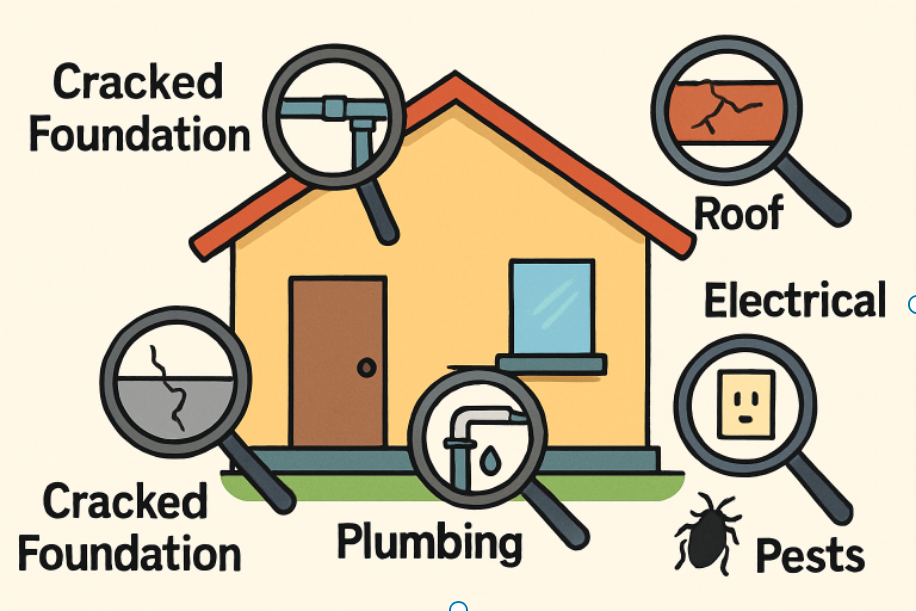
The foundation is the most critical component of any home. Walk the interior and exterior, looking for cracks wider than 1/4 inch, uneven or sloping floors, and doors or windows that do not operate smoothly. These clues suggest settling or more serious structural movement that can require extensive repairs. Even hairline cracks can indicate moisture trouble or foundation movement.
2. Inspect for Water Damage and Mold
Water damage is notorious for its costly and persistent effects. Check for yellow or brown stains on walls, ceilings, or under windows. A musty smell in basements or crawl spaces, or visible mold, can signal ongoing leaks or poor ventilation. Look around sinks, baths, and appliances for water marks, bubbling paint, or warped flooring. Catching these signs early can prevent bigger problems in the future.
3. Assess the Roof’s Condition
The roof protects the entire structure of your home. From ground level, examine the condition of shingles, looking for curling, missing, or cracked pieces. In the attic, look for water stains, mold spots, or daylight peeking through. Sagging roof decks or excessive granules in gutters can also indicate that the roof is nearing the end of its life cycle and may require replacement sooner than anticipated.
4. Evaluate Plumbing Systems
Run every faucet and shower to check for strong water pressure and rapid drainage. Inspect pipes under sinks and behind toilets for rust, corrosion, leaks, or water stains. Listen for unusual noises like banging or gurgling, which may indicate clogs, air in the pipes, or other plumbing issues. Addressing plumbing problems early can save substantial repair costs later.
5. Test Electrical Systems
Faulty electrical systems are not only inconvenient but also dangerous. Test every light switch and electrical outlet. Be wary of outlets that do not work, flickering or dim lights, and warm switch plates or outlet covers. Old or overloaded panels and visible frayed or spliced wiring are signs that a major electrical update may be required to ensure the home’s safety.
6. Look for Pest Infestations
Pest infestations can cause significant structural damage and pose health risks. Check the edges of flooring, corners of rooms, and dark or damp areas like attics and basements for droppings, chewed wood, mud tubes, or nests. Evidence of termites, rodents, or carpenter ants needs immediate attention and can complicate your purchase decision.
7. Check for Unpermitted Work
Home improvements and additions should always be done with the proper permits. Request records of recent renovations or major systems work from the seller. Unpermitted work can lead to failed inspections, compliance fines, and safety issues. It can also affect your ability to insure the home or later sell it without costly corrections.
8. Hire a Professional Home Inspector
A certified home inspector brings expertise and an objective perspective to the evaluation process. They are trained to spot problems you may miss, from hidden leaks inside walls to unsafe wiring. Their comprehensive report provides leverage when negotiating repairs or price adjustments with the seller. Hiring a professional ensures that even subtle or concealed issues are identified, giving you peace of mind before moving forward.
Diligence is your best defense against hidden home problems. By focusing on these key areas and relying on both your observations and professional guidance, you can make a more confident and informed investment in your new home.
Additional Tips for Homebuyers
While inspecting a property, don’t overlook additional considerations that can provide invaluable peace of mind. Take the time to review the age and condition of major appliances such as furnaces, water heaters, and air conditioning units. These systems are often expensive to replace and can fail unexpectedly if they’re nearing the end of their service life. Simple steps, like turning on the heating or A/C even if you don’t need it at the time, can reveal noisy operation or inefficient performance. Questions about recent servicing and manufacturer warranties can also help you gauge future repair costs.
It’s wise to scope out the neighborhood as well. Noise, traffic levels, and even local infrastructure such as drainage can all have an impact on your living experience. Talk to neighbors or research community associations to get insights on local problems, planned developments, or seasonal issues such as flooding or pest outbreaks. Don’t hesitate to accompany inspectors during their assessment so you can observe their process and ask questions in real time. The more involved and informed you are from the start, the better positioned you will be to negotiate and enjoy your new property.
Lastly, always keep documentation of inspection findings, repair estimates, and all correspondence regarding the property. This paper trail is important not only for your own records but can prove invaluable if you need to revisit negotiations or disclose details to future buyers. Preparation, awareness, and expert help are your allies in making a secure and satisfying home purchase.
Understanding Local Hazards
Beyond individual home issues, buyers should consider environmental hazards that may affect the property. Research whether the home is located in a flood zone, near wildfire-prone areas, or in regions with frequent earthquakes. Request a copy of the seller’s disclosure statement, which may detail any past incidents such as flooding, fire, or soil instability, but always supplement this with your own research. Some communities require special insurance riders for natural disasters. Knowing these requirements in advance will inform your purchasing decision and long-term costs.
Additionally, investigate past insurance claims on the property by requesting a CLUE (Comprehensive Loss Underwriting Exchange) report. This report contains information about insurance claims filed over the past five to seven years and can reveal recurring problems, such as repeated water intrusion or electrical issues. Understanding this history can also help you negotiate repairs or reconsider your offer.
Engage with Experts and Ongoing Maintenance
Even after you’ve purchased your home and addressed immediate repair concerns, remember that continuing maintenance is key to protecting your investment. Scheduling regular inspections, especially for roofs, foundations, plumbing, and HVAC systems, can catch developing issues early and help you budget for eventual repairs or upgrades. A proactive approach increases the resale value of your home and keeps surprises to a minimum. Consultation with local professionals, including real estate agents, home inspectors, and specialized contractors, keeps you informed about the latest best practices and potential red flags in your region’s housing market.
Preparing for a Thorough Walkthrough
During your initial walkthrough of a home, plan to take your time and use all your senses. Listen for inconsistent noises that may point to plumbing or appliance issues, and note any unusual odors that could be linked to mold, pets, or past water damage. Open and close windows and doors to check for sticking, which could reveal settlement or foundational trouble. Bring a flashlight to inspect dark corners, closets, and crawl spaces. Having a moisture meter or infrared thermometer may also help you spot hidden issues, especially behind walls or under flooring. Document everything with photos and notes; this will help you compare multiple properties and provide evidence during negotiations. Don’t underestimate the value of trusted friends or family members accompanying you, as they may see problems you overlook. The time spent on a careful inspection is an essential step toward a confident home purchase.
Review Seller Disclosures and Ask Direct Questions
Before committing to a purchase, carefully review the seller’s disclosure statement for any facts about the property’s condition. Take note of prior repairs, recently replaced systems, or areas that have experienced damage in the past. When touring the home, don’t hesitate to ask the seller or their agent direct questions about previous issues, repairs, or why certain renovations were done. Clarifying these topics early on can prevent future disputes and provide context to inspection findings. If the answers seem vague or incomplete, consider whether the sellers may be unwilling to disclose major issues. Due diligence in this area not only increases transparency but also ensures that you are stepping into homeownership with as much knowledge as possible.