
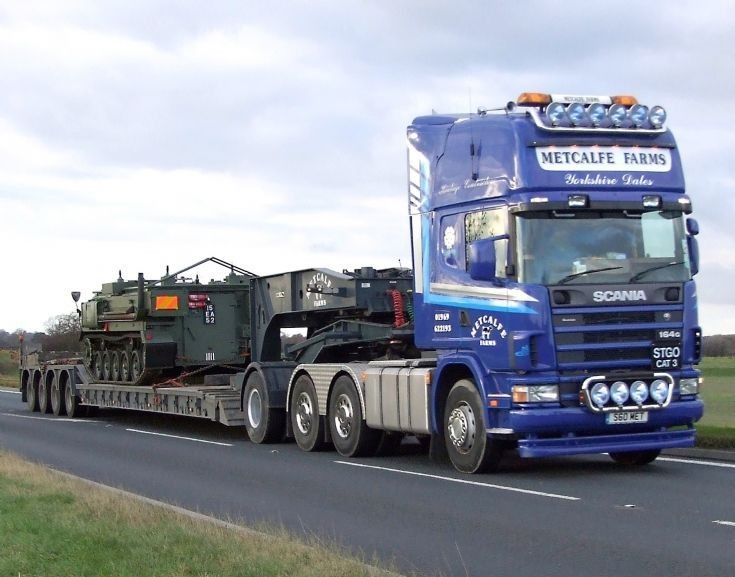
Driving on Australian highways means sharing the road with massive commercial trucks. These vehicles are essential for the national economy. They keep supply chains moving across vast distances, but they also require everyday motorists to adopt a defensive driving mindset. While top-tier manufacturers like FWR Australia engineer their heavy transport trailers with advanced stability and safety features, passenger vehicle drivers still bear the responsibility of staying out of blind spots and navigating safely. Sharing the road is a team effort. Understanding the sheer scale of larger vehicles is the key to a stress-free journey.
Table of Contents
Understand the Stopping Distances of Large Vehicles
The physics of heavy transport vehicles differ significantly from those of standard passenger cars. A fully loaded commercial truck carries incredible forward momentum, especially when travelling at highway speeds of 100 kilometres per hour. Because of this massive weight, they cannot react or stop as nimbly as a smaller car. According to safety guidelines from the Federal Motor Carrier Safety Administration (FMCSA), large trucks and buses need the length of up to two football fields to safely stop under ideal conditions. Consequently, cutting directly in front of a heavy vehicle and braking suddenly is an exceptionally dangerous move.
Furthermore, your own vehicle needs to be prepared to respond to sudden changes in highway traffic. If you are travelling alongside heavy freight and traffic suddenly halts, optimal stopping power is non-negotiable. If your brakes feel spongy or unresponsive before a big trip, check out a comprehensive guide on how to change your brake pads in step-by-step detail. Ensuring your vehicle is properly maintained means you can safely keep your distance and react quickly to any unexpected hazards.
Beware of the Massive Blind Spots
Commercial trucks have extensive blind spots, commonly referred to as no-zones. These obscured areas exist immediately in front of the truck cab, directly behind the trailer, and along both sides of the vehicle. Because the truck driver sits high up in the cabin, they physically cannot see smaller cars tailgating closely or lingering beside their front wheels.
A reliable rule of thumb for motorists is to look directly at the truck’s side mirrors. If you cannot see the driver in their mirrors, you can safely assume they cannot see you. Lingering in these blind zones is a major hazard. If a truck driver needs to change lanes unexpectedly to avoid debris or accommodate merging traffic, a passenger car hidden in a blind spot is at high risk of collision. Always aim to pass through these designated zones quickly and efficiently.
Best Practices for Passing and Merging
When overtaking a heavy transport vehicle, decisiveness and clear communication are key elements of defensive driving. Following these simple guidelines will keep you and the truck driver safe:
- Pass swiftly: Do not linger alongside the trailer. Wait until you have a clear stretch of road, indicate early, and move past the truck at a consistent speed.
- Leave extra space: Never cut in directly in front of a heavy vehicle. Ensure you can see the entire truck cab in your rear-view mirror before pulling back into the left lane.
- Avoid sudden braking: Once you have moved back into the lane, maintain your speed to avoid forcing the truck driver to slam on their brakes.
- Adjust for weather: High winds and heavy rain make stopping distances longer. Leave twice as much space between your car and the truck during poor conditions.
- Anticipate merging: If a heavy vehicle is trying to merge onto the highway, switch lanes if safe, or adjust your speed to give them room to enter smoothly.
Give Heavy Transport Room to Turn
In urban areas or on tighter regional roads, heavy vehicles require extra space to negotiate corners. Trucks often need to swing wide to avoid clipping the kerb, taking out traffic lights, or hitting roadside obstacles. A dangerous mistake made by motorists is attempting to squeeze into the open space on the inside of a turning truck. This creates a severe crush zone when the trailer pivots. Always hang back, stay behind the intersection line, and let the vehicle complete its turn before proceeding.
Patience, situational awareness, and a healthy respect for the physical size of these vehicles are essential for highway safety. By giving commercial trucks plenty of operating room and keeping your own vehicle in excellent condition, you actively contribute to a safer road environment for everyone.